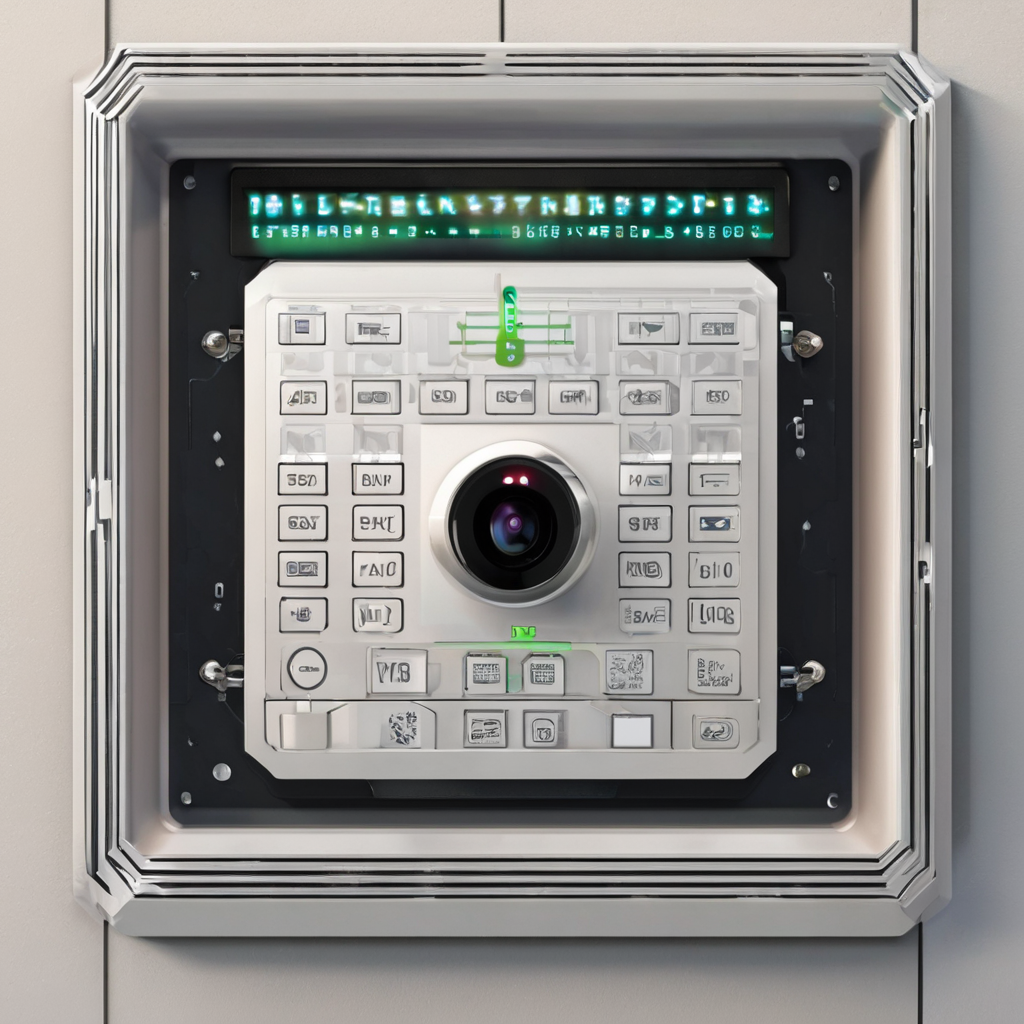
Biometric technology has revolutionized the way we approach security systems, offering a more efficient and reliable means of identification and verification. This innovative technology utilizes unique biological characteristics such as fingerprints, iris patterns, and facial features to authenticate individuals. By integrating biometric solutions into security systems, businesses, organizations, and governments are enhancing their overall security measures and safeguarding sensitive information.
One of the key advantages of biometric technology is its unparalleled accuracy in verifying individuals’ identities. Unlike traditional methods such as passwords or ID cards, biometric data is unique to each person and cannot be easily replicated or stolen. This makes it extremely difficult for unauthorized individuals to gain access to secure areas or sensitive data, significantly reducing the risk of security breaches.
In addition to its high level of accuracy, biometric technology offers enhanced convenience for users. With biometric authentication methods such as fingerprint scanners or facial recognition systems, individuals can quickly and easily access secured areas or devices without the need to remember complex passwords or carry physical identification cards. This streamlined process not only improves user experience but also increases operational efficiency for businesses and organizations.
Moreover, biometric technology provides an added layer of security by offering real-time identification and authentication capabilities. In high-security environments such as government facilities or financial institutions, biometric systems can quickly verify individuals’ identities and flag any unauthorized access attempts, enabling security personnel to respond promptly and mitigate potential threats.
The integration of biometric technology into security systems also allows for seamless access control management. By linking biometric data to user profiles, organizations can easily grant or revoke access privileges based on individuals’ biometric traits, ensuring that only authorized personnel are allowed entry to restricted areas or digital systems. This granular level of access control enhances overall security protocols and minimizes the risk of insider threats.
Furthermore, biometric technology is continuously evolving to offer more sophisticated and secure authentication methods. Advancements in biometric research have led to the development of multi-modal biometric systems that combine multiple biometric traits for enhanced accuracy and reliability. This multi-factor authentication approach further strengthens security systems and provides robust protection against identity fraud and impersonation.
Another significant benefit of biometric technology is its ability to deter fraudulent activities and identity theft. By requiring individuals to undergo biometric authentication processes, security systems can effectively verify the legitimacy of users and prevent unauthorized individuals from masquerading as someone else. This proactive measure helps mitigate the financial and reputational risks associated with security breaches.
Moreover, biometric technology plays a crucial role in enhancing border security and immigration control measures. Biometric systems deployed at border checkpoints can accurately verify travelers’ identities and cross-reference them with watchlists or criminal databases, enabling authorities to identify and apprehend potential threats or individuals with fraudulent intentions. This heightened level of security contributes to national security and public safety.
Additionally, the widespread adoption of biometric technology across various industries such as healthcare, banking, and transportation is driving innovation and improving security standards globally. By leveraging biometric solutions, organizations can protect sensitive data, prevent unauthorized access, and enhance customer trust and loyalty. This proactive approach to security not only safeguards assets and information but also fosters a culture of security awareness and compliance.
In conclusion, biometric technology is transforming security systems by providing a robust, reliable, and convenient means of identification and verification. With its unparalleled accuracy, real-time authentication capabilities, and multi-factor authentication methods, biometric technology is reshaping the way we approach security challenges and ensuring a safer and more secure future for individuals and organizations alike.