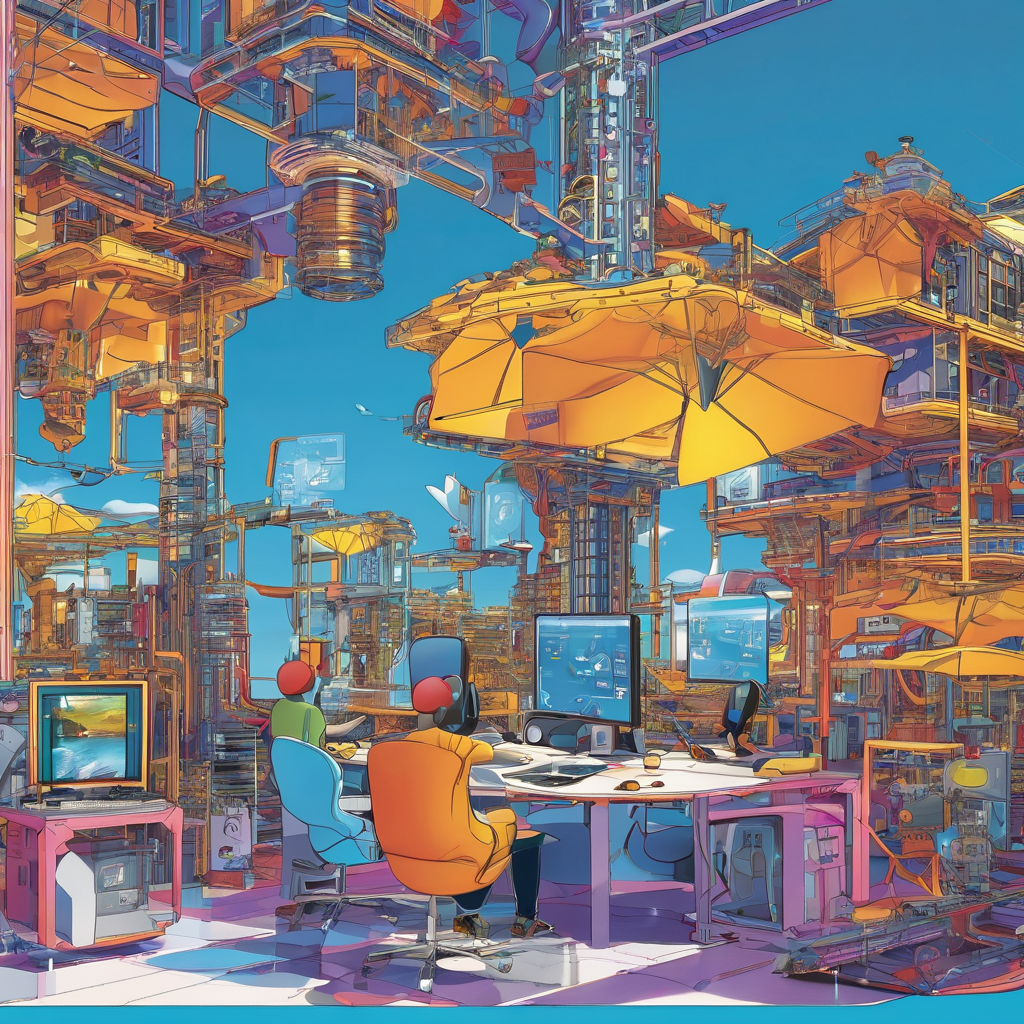
Digital twins are becoming increasingly popular in the tech world, with many companies investing in creating virtual worlds that mirror physical entities. These digital replicas, known as digital twins, offer a range of benefits and possibilities for various industries. Tech giants such as Microsoft, IBM, and Siemens are at the forefront of this trend, developing innovative solutions that leverage digital twin technology. But what exactly are digital twins, and why are tech companies so interested in them?
At its core, a digital twin is a virtual representation of a physical object or system. It is created using real-time data collected from sensors embedded in the physical entity. This data is then used to create a digital model that replicates the behavior, characteristics, and conditions of the physical object. Digital twins can be applied to a wide range of entities, including buildings, machinery, vehicles, and even entire cities. This technology enables companies to monitor, analyze, and optimize the performance of their assets in a virtual environment.
One of the key reasons why tech companies are investing in digital twin technology is its potential to revolutionize various industries. By creating virtual replicas of physical entities, companies can gain valuable insights into their operations and make informed decisions. For example, in manufacturing, digital twins can help optimize production processes, predict maintenance needs, and reduce downtime. In healthcare, digital twins can be used to simulate patient outcomes, personalize treatments, and improve medical research.
Moreover, digital twins enable companies to experiment with different scenarios and strategies in a risk-free virtual environment. This capability is particularly valuable in industries where safety, efficiency, and innovation are paramount. For instance, in the automotive industry, digital twins can be used to test new vehicle designs, simulate driving conditions, and enhance driver safety. In the energy sector, digital twins can optimize power generation, predict equipment failures, and increase energy efficiency.
Another reason for the growing interest in digital twins is their ability to facilitate collaboration and communication among different stakeholders. By providing a common platform for sharing data and insights, digital twins enhance transparency, coordination, and decision-making. This collaborative approach is especially beneficial in complex projects that require input from multiple teams and disciplines. For example, in construction projects, digital twins can streamline communication between architects, engineers, contractors, and clients, leading to better outcomes and reduced costs.
In addition to improving operational efficiency and collaboration, digital twins also have the potential to drive innovation and creativity in product development. By simulating the behavior and performance of physical objects in a virtual environment, companies can explore new design concepts, test novel ideas, and push the boundaries of what is possible. This iterative process of experimentation and iteration is essential for staying competitive in today’s fast-paced and dynamic market landscape.
Furthermore, digital twins play a crucial role in the ongoing trend of digital transformation across industries. As companies embrace digital technologies to stay ahead of the curve, digital twins offer a powerful tool for digitizing and optimizing their operations. By harnessing the power of real-time data, advanced analytics, and simulation capabilities, companies can unlock new opportunities for growth, efficiency, and sustainability.
Despite the numerous benefits of digital twins, there are challenges and considerations that companies must address when implementing this technology. These include data security and privacy concerns, integration with existing systems and processes, scalability and complexity of digital twin models, and the need for specialized skills and expertise. Overcoming these challenges requires a strategic approach, robust infrastructure, and a commitment to continuous innovation and learning.
In conclusion, digital twins are revolutionizing the way companies design, operate, and innovate in today’s increasingly digital world. By creating virtual replicas of physical entities and harnessing the power of real-time data and simulation, companies can unlock new opportunities for growth, efficiency, and collaboration. As tech companies continue to invest in digital twin technology, we can expect to see even more innovative applications and transformative outcomes across industries. The future of digital twins is bright, promising a new era of virtual possibilities and real-world impact.