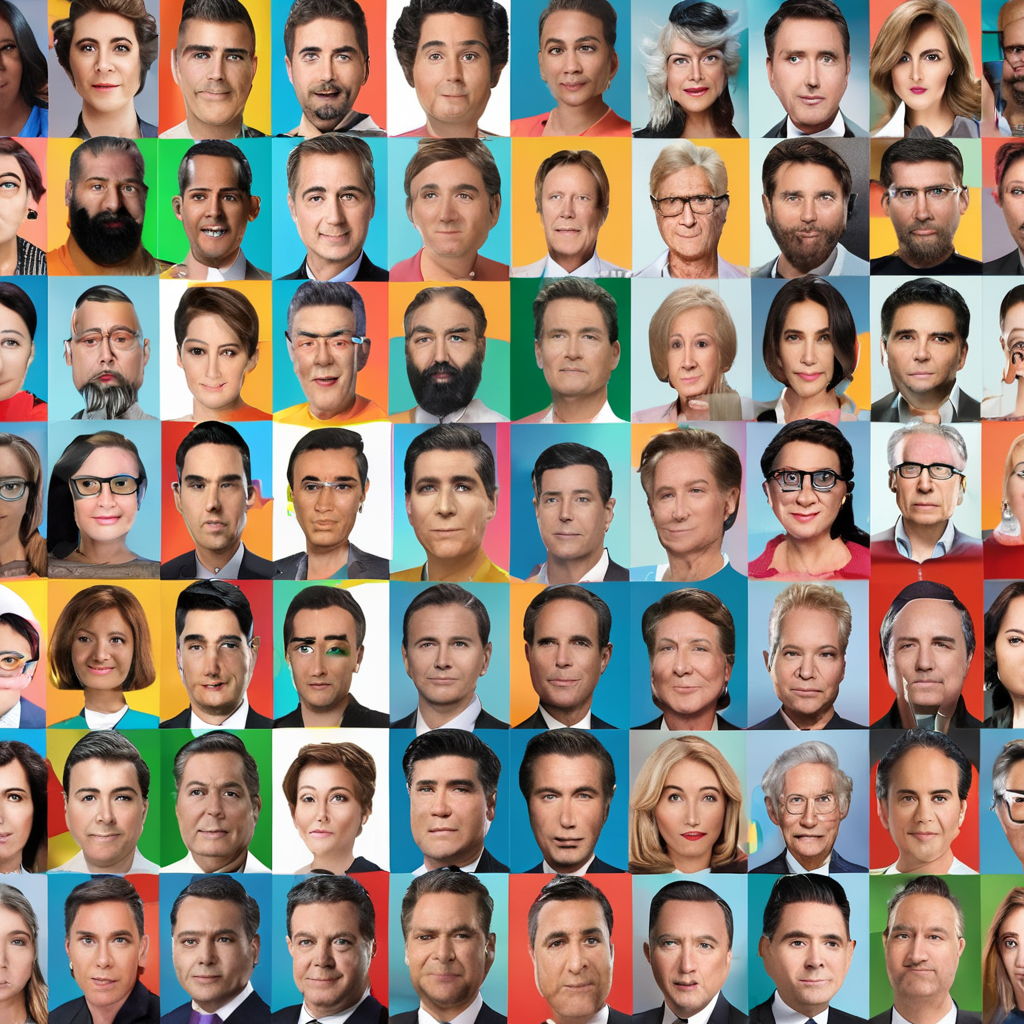
Deepfakes have become a growing concern in today’s digital age, where advancements in technology have made it possible to manipulate videos and images in a way that is nearly indistinguishable from reality. But how do deepfakes actually work, and why are they considered dangerous? Let’s delve into this intricate world of synthetic media and explore the potential risks associated with it.
At the core of deepfakes lies the use of artificial intelligence (AI) algorithms known as generative adversarial networks (GANs). These algorithms work by analyzing and learning patterns from a vast amount of data, such as images and videos, to create realistic-looking content. By training on this data, GANs can generate new content that closely resembles the input it has been fed.
One of the primary dangers of deepfakes is their potential to spread misinformation and manipulate public opinion. With the ability to create convincing videos of individuals saying or doing things they never actually did, deepfakes can be used to deceive viewers and create confusion. This poses a significant threat to the credibility of information shared online and can have far-reaching consequences on society as a whole.
Moreover, deepfakes can also be used for malicious purposes, such as creating fake videos of public figures engaging in illegal or unethical behavior. These fabricated videos can tarnish reputations and incite outrage, leading to real-world harm and damage to individuals’ lives and careers. The ease with which deepfakes can be created and shared online makes it challenging to combat their negative impact effectively.
As technology continues to evolve, the quality of deepfakes is also improving, making it increasingly difficult to detect them with the naked eye. This poses a significant challenge for platforms and individuals alike, as distinguishing between genuine and manipulated content becomes a daunting task. Without proper safeguards in place, the proliferation of deepfakes could erode trust in media and undermine the authenticity of information online.
Furthermore, the rise of deepfakes raises concerns about privacy and consent, as individuals’ likeness can be used without their permission to create falsified content. This not only infringes on personal rights but also blurs the line between reality and fiction, leading to potential legal and ethical implications. As deepfake technology becomes more accessible, the need for robust regulations to protect individuals’ rights becomes increasingly urgent.
In addition to the societal implications, deepfakes also pose a threat to national security and geopolitical stability. By fabricating videos of political leaders or government officials making inflammatory statements or engaging in illicit activities, bad actors can sow discord and manipulate public perception for their own gain. The potential for deepfakes to incite violence or provoke diplomatic crises underscores the urgent need for vigilance and countermeasures.
Despite the risks associated with deepfakes, efforts are being made to develop detection technologies and raise awareness about the dangers of synthetic media manipulation. Researchers and tech companies are investing in tools that can identify deepfakes based on subtle inconsistencies in videos or images, helping to mitigate the spread of misinformation. Educating the public about the existence of deepfakes and encouraging critical thinking when consuming online content are essential steps in combating this digital threat.
Ultimately, the phenomenon of deepfakes underscores the complex interplay between technology, ethics, and society in the digital age. As we navigate the ever-changing landscape of synthetic media, it is crucial to remain vigilant, informed, and proactive in addressing the challenges posed by deepfakes. By working together to combat misinformation and protect the integrity of information online, we can safeguard trust, privacy, and democracy in the digital realm.