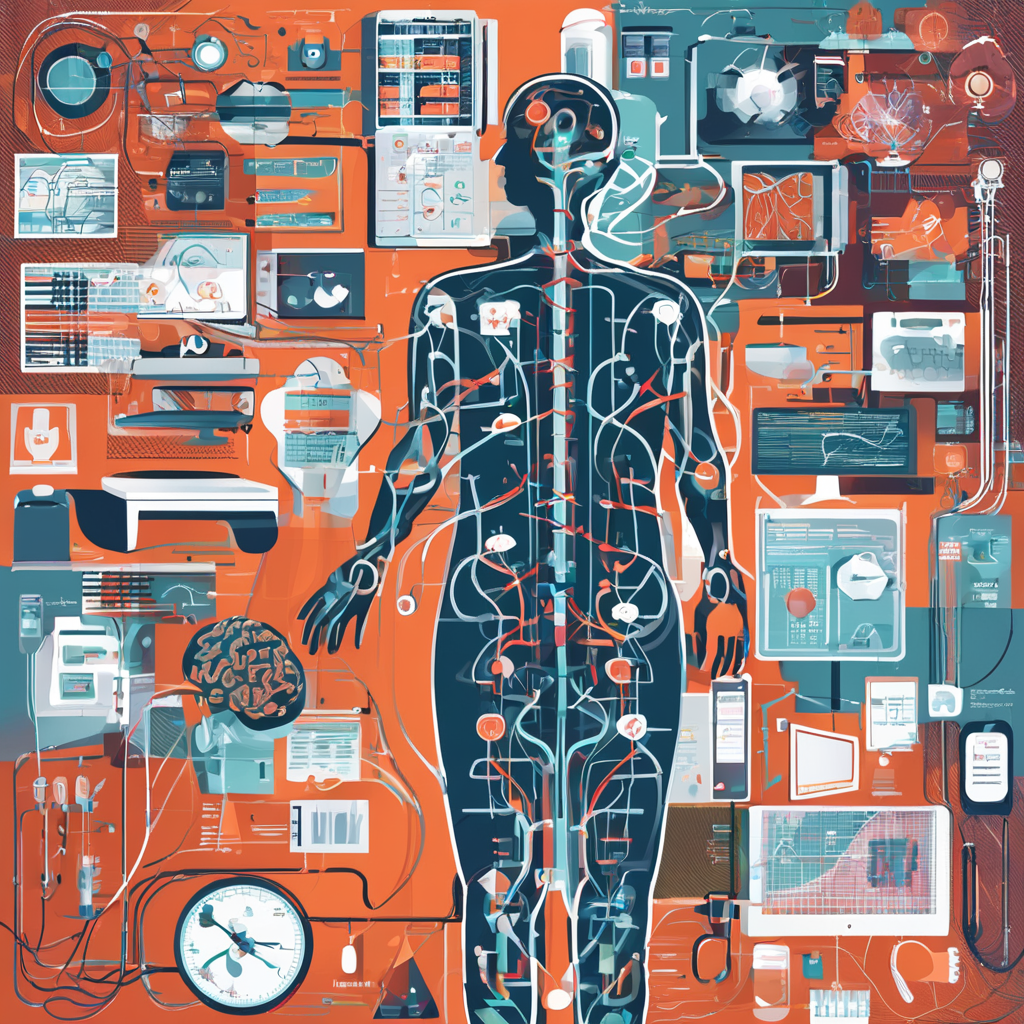
Artificial intelligence (AI) is revolutionizing the field of medicine, particularly in the realm of diagnosing diseases. With the ability to process vast amounts of data quickly and efficiently, AI is enabling doctors to diagnose diseases faster and more accurately than ever before. This technological advancement is proving to be a game-changer in healthcare, saving lives and improving patient outcomes.
One of the key ways AI helps doctors diagnose diseases faster is through its ability to analyze medical images with incredible precision. Radiologists can use AI algorithms to detect subtle abnormalities in X-rays, MRIs, and CT scans that may be overlooked by the human eye. This not only speeds up the diagnostic process but also reduces the risk of misdiagnosis, leading to better treatment outcomes for patients.
In addition to analyzing medical images, AI can also sift through vast amounts of patient data to identify patterns and trends that may indicate the presence of a particular disease. By analyzing factors such as symptoms, medical history, and genetic information, AI algorithms can help doctors make more accurate diagnoses in a fraction of the time it would take a human physician.
Furthermore, AI-powered diagnostic tools are constantly learning and improving. Through machine learning algorithms, these systems can continuously adapt and refine their diagnostic capabilities based on new data and insights. This means that the more these tools are used, the better they become at accurately diagnosing diseases, ultimately benefiting both doctors and patients.
Another significant advantage of AI in diagnosing diseases is its ability to provide real-time assistance to healthcare providers. In emergency situations where time is of the essence, AI algorithms can quickly analyze symptoms and test results to help doctors make rapid and accurate decisions about a patient’s diagnosis and treatment plan.
Moreover, AI can help doctors prioritize their workload by flagging urgent cases that require immediate attention. By automating routine tasks and highlighting critical findings, AI enables healthcare providers to focus their time and energy on the most pressing patient cases, leading to more efficient and effective care delivery.
Additionally, AI can assist in diagnosing rare and complex diseases by comparing a patient’s symptoms and test results with vast databases of medical knowledge. This can help doctors uncover rare conditions that may have otherwise gone undetected, enabling them to provide targeted and personalized treatment plans for their patients.
Furthermore, AI can enhance the speed and accuracy of pathology tests by analyzing tissue samples and identifying abnormalities with high precision. This can be particularly beneficial in cancer diagnosis, where early detection is crucial for successful treatment outcomes. AI-powered pathology tools can help pathologists detect cancerous cells more quickly and accurately, leading to faster treatment decisions for patients.
Overall, the integration of AI into medical diagnostics is transforming the way diseases are identified and treated. By leveraging the power of AI algorithms, doctors can diagnose diseases faster, more accurately, and with greater efficiency than ever before. This technological innovation is paving the way for a future where healthcare is more personalized, precise, and effective in improving patient outcomes.