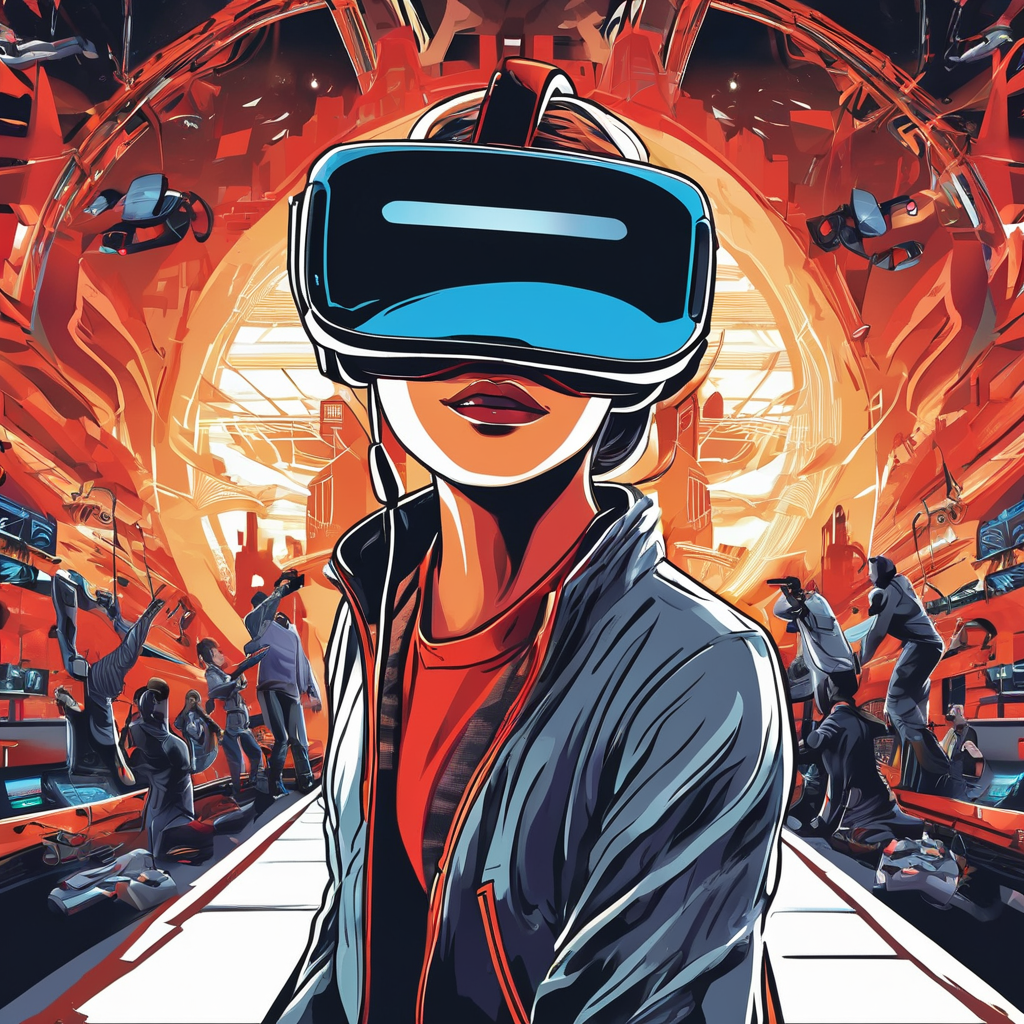
Virtual reality (VR) has been making waves in the entertainment industry, offering a new way for audiences to immerse themselves in a world of limitless possibilities. With the advancement of technology, VR has become more accessible to the general public, raising the question: Is virtual reality the future of entertainment?
In recent years, VR has gained popularity in gaming circles, allowing players to step into virtual worlds and interact with their surroundings in ways never before possible. The level of immersion that VR provides enhances the gaming experience, making it more engaging and realistic for players.
Apart from gaming, virtual reality is also being used in other forms of entertainment, such as movies and live events. VR films transport viewers to a different reality, where they can experience the story from a whole new perspective. Similarly, live events in VR allow audiences to attend concerts, sports games, and other events from the comfort of their own homes.
One of the key advantages of virtual reality in entertainment is its ability to break down physical barriers. People from different parts of the world can come together in a virtual space, sharing experiences and creating memories regardless of their physical locations. This level of connectivity adds a new dimension to entertainment, fostering a sense of community among users.
Moreover, the potential for virtual reality in education and training cannot be overlooked. VR simulations provide a safe environment for students and professionals to practice real-life scenarios, improving learning outcomes and enhancing skill development. In the entertainment industry, VR can offer behind-the-scenes experiences, allowing fans to explore sets and interact with their favorite artists in ways previously unimaginable.
While virtual reality holds immense potential for revolutionizing entertainment, there are challenges to overcome. One major hurdle is the cost associated with VR technology, including headsets, controllers, and powerful computing systems required for a seamless experience. Making VR more affordable and accessible to a wider audience will be crucial for its widespread adoption.
Another consideration is the potential health risks associated with prolonged use of virtual reality. Issues such as motion sickness, eye strain, and disorientation have been reported by some users, highlighting the importance of addressing these concerns through improved technology and user guidelines. Ensuring the safety and well-being of users will be essential for the long-term success of VR in entertainment.
Despite these challenges, the future of virtual reality in entertainment looks promising. As technology continues to evolve and improve, the possibilities for immersive experiences in VR will only expand. From interactive storytelling to virtual social interactions, the potential applications of VR in entertainment are vast and exciting.
In conclusion, virtual reality has the potential to transform the entertainment industry, offering new ways for audiences to engage with content and each other. While there are challenges to overcome, the benefits of VR in gaming, movies, education, and beyond are clear. As we look ahead to the future of entertainment, virtual reality is poised to play a significant role in shaping how we experience and interact with media.