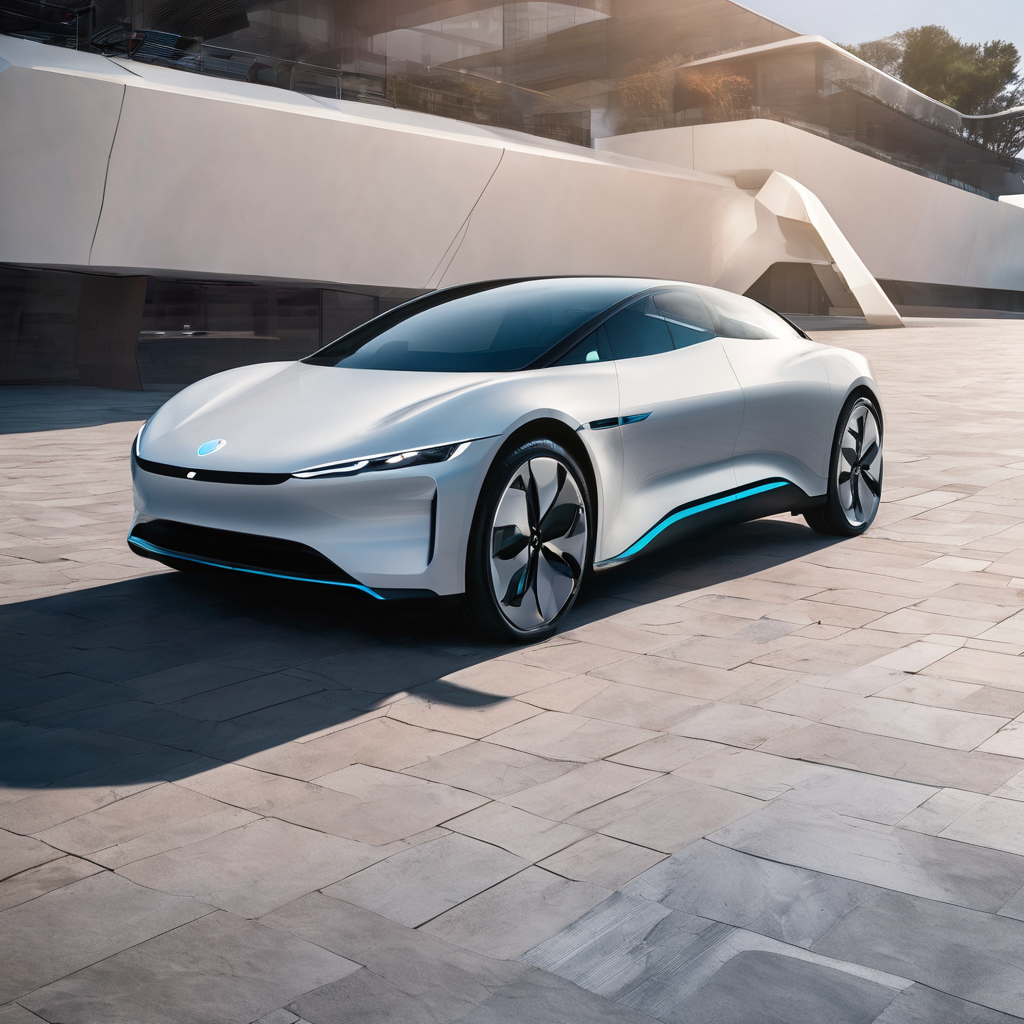
The future of electric vehicles is a topic that has been gaining significant attention in recent years as the world looks towards more sustainable transportation options. With concerns about climate change and the need to reduce greenhouse gas emissions, electric vehicles have emerged as a promising solution to help combat these pressing environmental issues. However, as we look towards a future where electric vehicles become more mainstream, there are both challenges and opportunities that lie ahead.
One of the key challenges facing the widespread adoption of electric vehicles is the issue of infrastructure. While electric vehicle charging stations are becoming more common, there is still a significant need for further development of charging infrastructure to support the growing number of electric vehicles on the road. This includes the need for more fast-charging stations, as well as ensuring that charging stations are easily accessible and convenient for electric vehicle owners.
Another challenge facing the future of electric vehicles is the issue of range anxiety. Range anxiety refers to the fear that an electric vehicle will run out of battery power before reaching its destination, leaving the driver stranded. While advancements in battery technology have extended the range of electric vehicles, there is still work to be done to address this concern and improve the overall driving range of electric vehicles.
Despite these challenges, there are also numerous opportunities for the future of electric vehicles. One of the most significant opportunities lies in the continued advancement of battery technology. As battery technology continues to improve, electric vehicles will be able to travel longer distances on a single charge, making them more practical for everyday use.
Additionally, the growing demand for electric vehicles presents an opportunity for innovation and investment in the automotive industry. As more consumers make the switch to electric vehicles, there is a growing market for electric vehicle manufacturers to capitalize on, leading to increased competition and further advancements in electric vehicle technology.
Furthermore, the transition to electric vehicles offers environmental benefits by reducing greenhouse gas emissions and decreasing reliance on fossil fuels. By switching to electric vehicles, we can help mitigate the impacts of climate change and create a more sustainable future for generations to come.
Government policies and incentives also play a crucial role in shaping the future of electric vehicles. By implementing policies that promote the adoption of electric vehicles, such as tax incentives and rebates, governments can help accelerate the transition to electric vehicles and make them more accessible to a wider range of consumers.
In addition, partnerships between automakers, technology companies, and energy providers can help drive innovation and collaboration in the electric vehicle industry. By working together, these stakeholders can develop new technologies, improve charging infrastructure, and enhance the overall consumer experience with electric vehicles.
Overall, the future of electric vehicles holds great promise as we strive towards a more sustainable and environmentally friendly transportation system. While there are challenges to overcome, the opportunities for innovation, investment, and positive environmental impact make the transition to electric vehicles a worthwhile endeavor for the future.