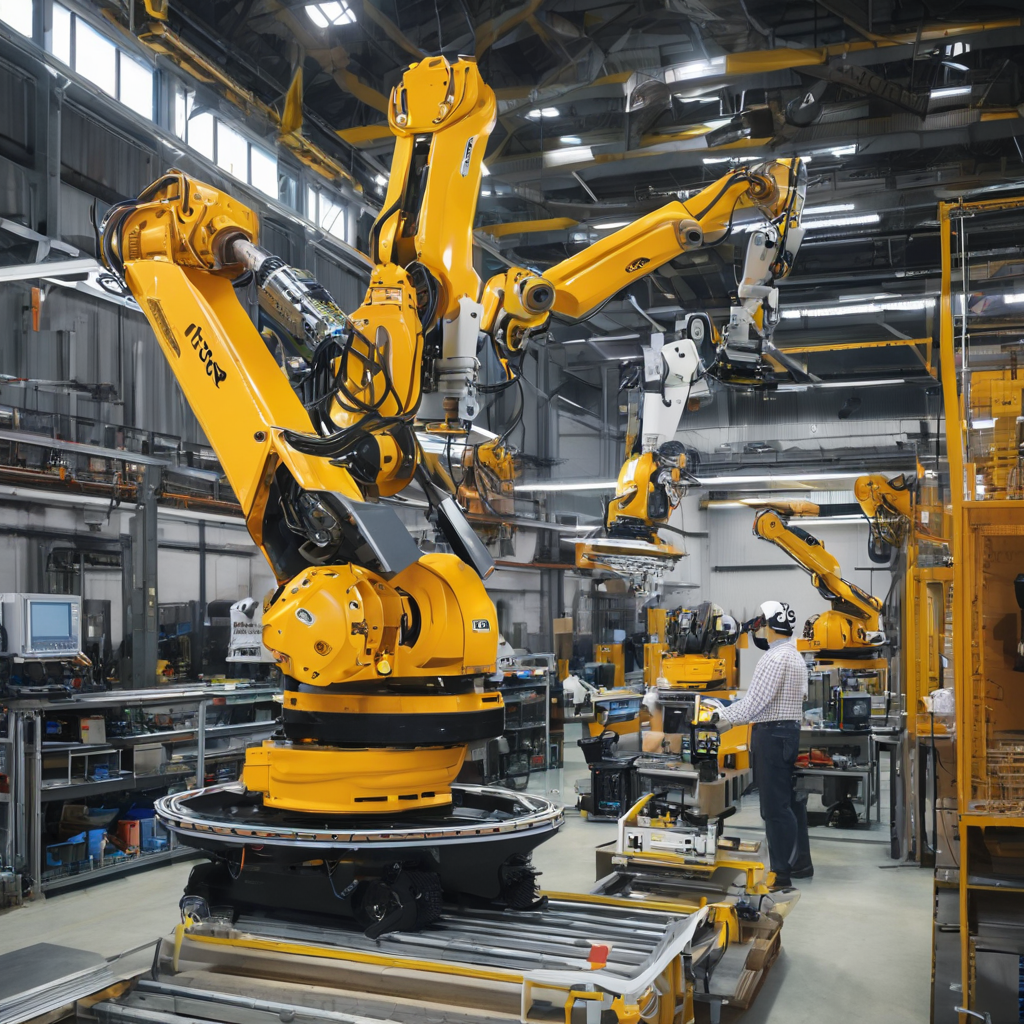
Robotics plays a crucial role in modern manufacturing processes, revolutionizing the way products are designed, produced, and assembled. The integration of robotics in manufacturing has significantly increased efficiency, precision, and safety in various industries. As technology continues to advance, the role of robotics in manufacturing is becoming increasingly prominent, with automation playing a key role in streamlining operations and improving productivity.
One of the key advantages of robotics in modern manufacturing is the ability to perform repetitive tasks with high precision and accuracy. Robots can complete tasks with consistent quality and speed, leading to enhanced production output and reduced errors. This level of precision is essential in industries where even the smallest deviation can have significant implications on the final product.
In addition to precision, robotics in manufacturing also enhances safety by taking over hazardous tasks that may pose risks to human workers. Robots can handle tasks in hazardous environments such as high temperatures, toxic chemicals, or confined spaces, reducing the potential for workplace accidents and injuries. By delegating dangerous tasks to robots, companies can prioritize the safety and well-being of their employees.
The use of robotics in modern manufacturing has also led to increased flexibility in production processes. Robots can be programmed to adapt to different tasks and production requirements quickly, allowing manufacturers to respond to changing market demands efficiently. This flexibility enables companies to optimize their production lines and adjust to fluctuations in demand without the need for extensive retooling or reconfiguration.
Automation through robotics has enabled manufacturers to improve their overall efficiency and productivity. By automating repetitive and time-consuming tasks, companies can streamline their production processes and reduce cycle times. This increased efficiency not only leads to cost savings but also allows manufacturers to deliver products to market faster, giving them a competitive edge in today’s fast-paced business environment.
The integration of robotics in manufacturing has also opened up new possibilities for customization and innovation. Advanced robotic systems can be programmed to handle complex tasks, such as 3D printing, assembly of intricate components, and even collaborative work with human operators. This level of sophistication allows manufacturers to create unique products tailored to specific customer needs and preferences.
Furthermore, robotics in manufacturing has facilitated the implementation of predictive maintenance strategies, ensuring that equipment operates at peak performance levels. By utilizing sensors and data analytics, robots can detect signs of potential equipment failure before it occurs, allowing for proactive maintenance and minimizing downtime. This predictive maintenance approach helps companies avoid costly disruptions in their production processes.
The adoption of robotics in modern manufacturing is also driving sustainability efforts within the industry. Robots are designed to operate efficiently, minimizing energy consumption and waste generation. By optimizing resource utilization and reducing environmental impact, manufacturers can align their operations with sustainability goals and contribute to a more environmentally conscious approach to production.
As the capabilities of robotics continue to evolve, the role of robots in manufacturing is expected to expand further. The integration of artificial intelligence, machine learning, and collaborative robots (cobots) will enable manufacturers to achieve even greater levels of automation and efficiency. These advancements will revolutionize the way products are manufactured and pave the way for the factories of the future.
In conclusion, robotics plays a pivotal role in modern manufacturing by enhancing precision, safety, flexibility, efficiency, customization, predictive maintenance, sustainability, and innovation. The integration of robotics in manufacturing processes is reshaping the industry landscape, driving improvements in productivity, quality, and competitiveness. As technology continues to advance, the future of manufacturing will be increasingly defined by the capabilities and potential of robotics to transform production operations and drive continued progress in the industry.